
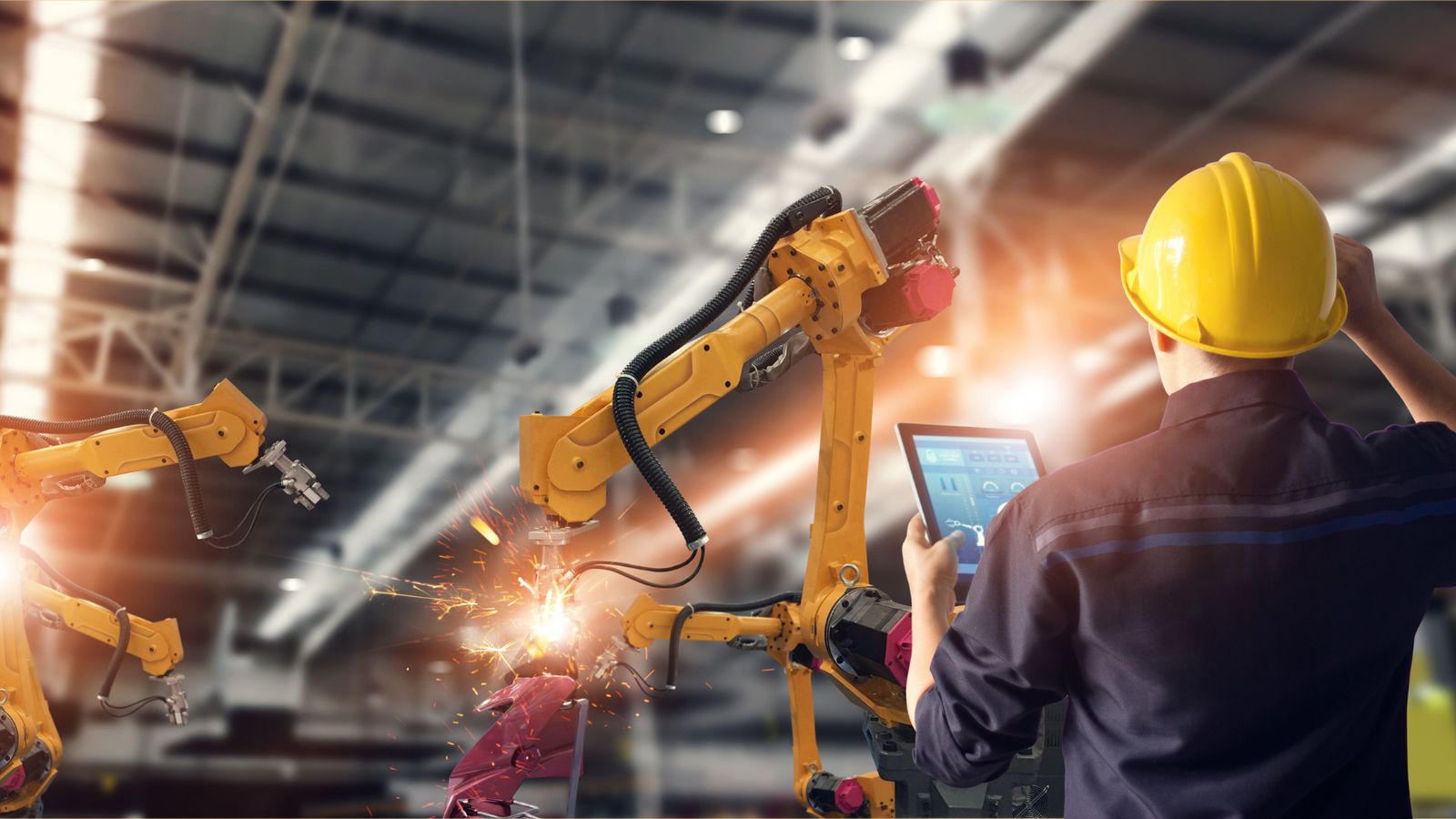
The manufacturing sector is experiencing one of the most transformative revolutions in history. Known as Industry 4.0, this new era combines automation, data exchange, artificial intelligence, IoT (Internet of Things), robotics, and advanced analytics to create intelligent, connected production environments.
At the center of this transformation lies a powerful enabler: smart manufacturing ERP.
Enterprise Resource Planning (ERP) systems are no longer just tools for managing accounting and inventory. In the age of Industry 4.0, ERP has evolved into the central nervous system of modern factories — connecting machines, people, processes, and data into one unified ecosystem.
This article explores how Industry 4.0 is reshaping manufacturing and why smart manufacturing ERP is the backbone of successful digital transformation.
Understanding Industry 4.0
Industry 4.0 represents the fourth industrial revolution:
- First Industrial Revolution – Mechanization through steam power
- Second Industrial Revolution – Mass production via electricity
- Third Industrial Revolution – Automation through computers and IT
- Industry 4.0 – Smart, connected, data-driven manufacturing
Industry 4.0 introduces technologies such as:
- Internet of Things (IoT)
- Artificial Intelligence (AI)
- Machine Learning
- Cloud Computing
- Big Data Analytics
- Robotics & Automation
- Digital Twins
- Cyber-Physical Systems
The goal is simple yet powerful: create intelligent manufacturing systems that are efficient, responsive, predictive, and highly optimized.
However, without a centralized system to integrate and manage this massive flow of data, Industry 4.0 cannot function effectively. This is where smart manufacturing ERP becomes critical.
What is Smart Manufacturing ERP?
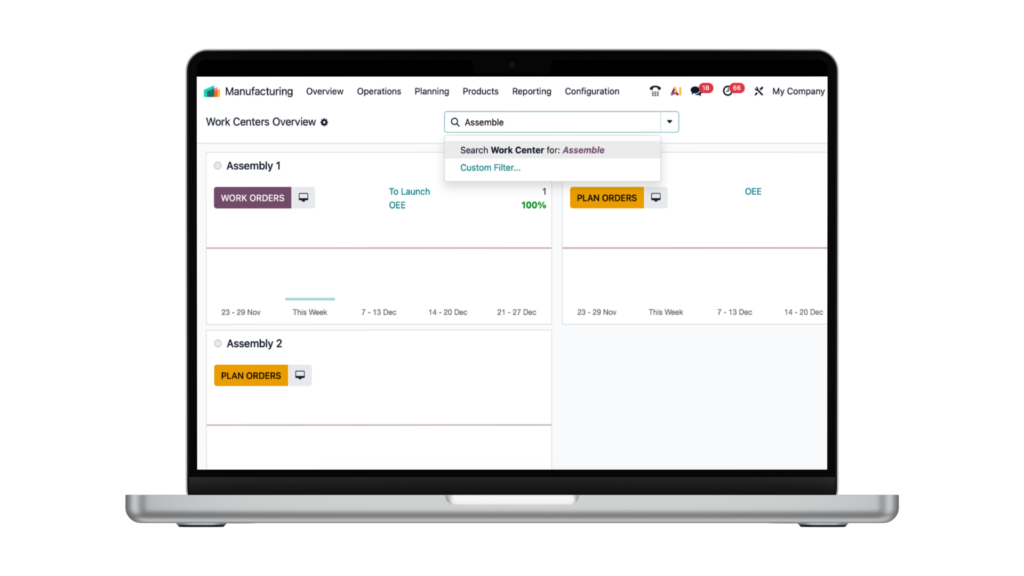
Smart manufacturing ERP is an advanced ERP system designed to support Industry 4.0 technologies and modern manufacturing operations.
Unlike traditional ERP systems that only record transactions, smart manufacturing ERP:
- Connects directly with machines and sensors
- Collects real-time production data
- Integrates IoT devices
- Provides predictive analytics
- Enables automation across departments
- Supports cloud-based collaboration
In simple terms, smart manufacturing ERP transforms ERP from a back-office tool into a real-time operational intelligence platform.
Why Industry 4.0 Requires ERP Integration
Industry 4.0 generates enormous volumes of data from:
- Machines
- Production lines
- Supply chains
- Warehouses
- Quality control systems
- Customer orders
Without integration, this data becomes fragmented and unusable.
A smart manufacturing ERP system centralizes all operational data into one unified dashboard, enabling:
- Real-time visibility
- Automated workflows
- Data-driven decision-making
- Cross-department collaboration
ERP acts as the bridge between:
- Shop floor operations
- Management teams
- Finance departments
- Procurement
- Sales
- Logistics
This connectivity is essential for true Industry 4.0 transformation.
Key Roles of ERP in Industry 4.0
1. Real-Time Data Collection and Visibility
Industry 4.0 thrives on real-time insights.
Smart manufacturing ERP integrates with IoT sensors and machines to collect:
- Production output
- Downtime metrics
- Equipment performance
- Quality defects
- Energy consumption
This data is immediately available to decision-makers, enabling faster response times and improved efficiency.
For example, if a machine slows down unexpectedly, the ERP system can instantly flag the issue and notify maintenance teams.
2. IoT Integration and Machine Connectivity
IoT ERP integration allows machines to communicate directly with ERP systems.
Benefits include:
- Automated production reporting
- Real-time inventory updates
- Automatic reordering of raw materials
- Machine performance tracking
- Predictive maintenance scheduling
Instead of manually updating spreadsheets, data flows automatically between machines and the ERP platform.
This reduces human error and improves operational accuracy.
3. Predictive Maintenance
One of the most valuable contributions of smart manufacturing ERP in Industry 4.0 is predictive maintenance.
Using AI and machine data, ERP systems can:
- Monitor equipment health
- Detect anomalies
- Predict potential failures
- Schedule maintenance proactively
This minimizes:
- Unexpected downtime
- Emergency repairs
- Production delays
- Financial losses
Manufacturers shift from reactive maintenance to proactive maintenance — a major competitive advantage.
4. Advanced Production Planning and Scheduling
Smart manufacturing ERP enables dynamic production planning based on:
- Real-time demand
- Machine availability
- Workforce capacity
- Material stock levels
- Supply chain disruptions
If a supplier delay occurs, the ERP system automatically adjusts production schedules to prevent bottlenecks.
This agility is critical in today’s volatile global markets.
5. Supply Chain Optimization
Industry 4.0 extends beyond the factory floor. It impacts the entire supply chain.
Smart manufacturing ERP provides:
- End-to-end supply chain visibility
- Real-time inventory tracking
- Automated procurement workflows
- Vendor performance analytics
- Demand forecasting
With integrated data, manufacturers can reduce excess inventory, prevent stockouts, and improve delivery timelines.
6. Quality Control and Compliance
Quality management is enhanced through ERP integration.
Smart manufacturing ERP allows:
- Automated quality inspections
- Traceability of raw materials
- Serial and batch tracking
- Compliance documentation
- Root cause analysis
In regulated industries, this level of traceability ensures compliance with local and international standards.
7. Data-Driven Decision Making
Industry 4.0 is powered by data. ERP transforms raw data into actionable insights.
Dashboards provide:
- KPI monitoring
- Profitability analysis
- Production efficiency metrics
- Waste reduction tracking
- Financial forecasting
Executives gain complete operational transparency.
Instead of relying on monthly reports, managers make real-time strategic decisions.
Benefits of Smart Manufacturing ERP in Industry 4.0

The adoption of smart manufacturing ERP systems within an Industry 4.0 framework delivers measurable operational, financial, and strategic benefits. Beyond automation, ERP becomes the intelligent coordination layer that synchronizes machines, people, and data across the entire enterprise.
Let’s explore these benefits in greater depth.
Increased Operational Efficiency
Operational efficiency is one of the most immediate and visible advantages of implementing smart manufacturing ERP in an Industry 4.0 environment.
Traditional manufacturing environments often suffer from:
- Manual data entry
- Disconnected production systems
- Paper-based reporting
- Delayed communication between departments
- Reactive problem-solving
A smart manufacturing ERP eliminates these inefficiencies by creating automated workflows across the organization.
For example:
- Production data flows automatically from machines into ERP dashboards.
- Inventory levels update in real time as materials are consumed.
- Purchase orders are triggered automatically when stock reaches minimum thresholds.
- Quality control reports are generated instantly during inspections.
By integrating IoT ERP systems with manufacturing equipment, businesses reduce duplication of work, eliminate human error, and shorten response times.
The result is a highly synchronized production environment where every department operates based on real-time, accurate data — a foundational pillar of Industry 4.0.
Reduced Costs
Cost optimization is a primary objective of digital transformation in manufacturing. Smart manufacturing ERP plays a central role in reducing operational expenses across multiple dimensions.
1. Lower Maintenance Costs
Through predictive maintenance capabilities, ERP systems monitor equipment performance and identify early warning signs of failure. This prevents:
- Expensive emergency repairs
- Production downtime
- Spare part overstocking
- Lost revenue from halted operations
2. Inventory Cost Reduction
ERP-driven demand forecasting ensures that manufacturers maintain optimal stock levels. This reduces:
- Excess inventory carrying costs
- Warehouse space expenses
- Obsolete material losses
- Capital tied up in unused stock
3. Energy and Resource Optimization
Industry 4.0 ERP systems can track energy usage, raw material waste, and machine efficiency. Manufacturers can identify inefficiencies and implement corrective actions that lower:
- Utility costs
- Scrap rates
- Rework expenses
By combining operational data with financial analytics, smart manufacturing ERP enables full cost transparency — empowering executives to make data-driven cost reduction decisions.
Improved Productivity
Productivity in Industry 4.0 goes beyond simply producing more units. It focuses on producing smarter, faster, and with fewer errors.
Smart manufacturing ERP enhances productivity through:
- Automated production scheduling
- Real-time workforce allocation
- Machine utilization monitoring
- Bottleneck detection
- Performance benchmarking
When ERP systems integrate production planning with live shop floor data, managers gain immediate insight into capacity utilization and output efficiency.
For example:
If a production line experiences slowdowns, the ERP dashboard instantly flags the issue, allowing supervisors to reassign resources or adjust workflows.
Additionally, collaboration improves across departments:
- Sales teams access real-time production capacity.
- Procurement teams receive automated material forecasts.
- Finance teams monitor profitability by product line.
This cross-functional visibility significantly improves organizational productivity — a core objective of smart manufacturing ERP.
Enhanced Agility
Modern markets demand agility. Customer expectations shift rapidly, supply chains fluctuate, and global disruptions can occur without warning.
Industry 4.0 requires manufacturers to respond quickly — and ERP systems provide the flexibility needed to adapt.
Smart manufacturing ERP enhances agility by:
- Enabling dynamic production rescheduling
- Providing real-time supply chain visibility
- Supporting rapid product customization
- Facilitating faster decision-making
For example:
If a supplier delay impacts raw material availability, ERP systems automatically recalculate production timelines and suggest alternative sourcing options.
If customer demand spikes unexpectedly, ERP forecasting tools adjust procurement and manufacturing plans accordingly.
This level of responsiveness ensures manufacturers remain competitive in volatile markets.
Better Customer Satisfaction
In Industry 4.0, customer experience is directly tied to operational transparency and reliability.
Smart manufacturing ERP improves customer satisfaction through:
- Accurate delivery time estimates
- Real-time order tracking
- Reduced production errors
- Faster response to custom orders
- Consistent product quality
With integrated systems, sales teams can provide clients with live updates on order status. Customers no longer face uncertainty or delayed communication.
Additionally, improved quality control reduces returns and warranty claims — strengthening brand reputation.
In competitive industries, this level of reliability becomes a key differentiator.
Scalability
As manufacturers grow, complexity increases. Managing multiple plants, distribution centers, and international suppliers requires scalable infrastructure.
Cloud-based smart manufacturing ERP systems enable:
- Multi-company management
- Multi-warehouse operations
- Multi-currency transactions
- Multi-country compliance
Unlike traditional systems that require costly hardware expansion, cloud ERP solutions scale seamlessly as business needs evolve.
This ensures long-term sustainability and adaptability in a rapidly advancing Industry 4.0 landscape.
Cloud ERP and Industry 4.0

Cloud technology is a major enabler of Industry 4.0. Without cloud infrastructure, the speed, flexibility, and scalability required for smart manufacturing would be difficult to achieve.
Cloud-based smart manufacturing ERP systems provide the digital backbone for connected factories.
Remote Accessibility
Modern manufacturing leaders require visibility beyond the factory floor.
Cloud ERP enables:
- Real-time monitoring from any location
- Mobile access to dashboards
- Executive-level reporting on demand
- Remote plant management
This is especially valuable for organizations operating across multiple geographic locations.
Lower IT Costs
On-premise ERP systems require:
- Server infrastructure
- Dedicated IT teams
- Manual upgrades
- Hardware maintenance
Cloud ERP eliminates much of this burden by providing:
- Subscription-based pricing
- Managed hosting
- Automated backups
- Reduced capital expenditure
This makes smart manufacturing ERP accessible even to small and mid-sized manufacturers embracing Industry 4.0.
Automatic Updates and Innovation
Industry 4.0 technologies evolve rapidly.
Cloud ERP platforms provide automatic updates that include:
- Security patches
- Feature enhancements
- AI-driven analytics upgrades
- Regulatory compliance adjustments
Manufacturers stay technologically competitive without disruptive system overhauls.
Enhanced Cybersecurity
As manufacturing becomes more connected, cybersecurity risks increase.
Cloud ERP providers invest heavily in:
- Advanced encryption
- Multi-factor authentication
- Data redundancy
- Disaster recovery systems
This ensures sensitive operational and financial data remains secure.
Multi-Location Integration
For manufacturers with multiple plants, centralized cloud ERP ensures:
- Unified reporting
- Standardized processes
- Consolidated financial statements
- Centralized procurement
At the same time, local facilities retain operational autonomy — achieving centralized control with decentralized execution.
This structure aligns perfectly with Industry 4.0’s interconnected ecosystem model.
Challenges in Implementing Smart Manufacturing ERP
While the benefits of smart manufacturing ERP in Industry 4.0 are substantial, implementation must be approached strategically.
1. Legacy Systems Integration
Many manufacturers operate with older machinery not originally designed for IoT connectivity.
Challenges may include:
- Limited sensor capabilities
- Outdated software
- Manual data recording processes
To address this, businesses may need:
- IoT retrofitting
- Middleware solutions
- API integration layers
A phased implementation strategy helps modernize operations without disrupting production.
2. Data Migration
Migrating data from legacy ERP systems or spreadsheets to a modern smart manufacturing ERP requires:
- Data cleansing
- Standardization
- Validation
- Testing
Poor data quality can compromise reporting accuracy and decision-making.
A structured migration plan ensures reliable system performance from day one.
3. Employee Training
Technology adoption fails without user adoption.
Employees must be trained on:
- ERP dashboards
- Automated workflows
- Data entry best practices
- Reporting tools
Training programs, workshops, and ongoing support ensure staff fully leverage Industry 4.0 ERP capabilities.
4. Change Management
Digital transformation is as much cultural as it is technological.
Resistance to change can slow Industry 4.0 initiatives.
Successful implementation requires:
- Executive sponsorship
- Clear communication
- Defined KPIs
- Measurable milestones
- Continuous improvement frameworks
Organizations that treat ERP implementation as a strategic transformation — not just a software installation — achieve the highest return on investment.
Industry 4.0 and ERP for Manufacturers in the UAE

Manufacturers in the UAE are rapidly embracing digital transformation as part of national initiatives such as:
- UAE Industry 4.0 Strategy
- Operation 300bn
- Smart Factory initiatives
For UAE manufacturers, smart manufacturing ERP enables:
- Greater competitiveness in regional markets
- Compliance with international export standards
- Real-time cost control
- Operational transparency
With increasing global competition, ERP-driven Industry 4.0 adoption is no longer optional — it is essential.
Future Trends: The Evolution of ERP in Industry 4.0
The next phase of smart manufacturing ERP will include:
AI-Powered Autonomous Decision-Making
ERP systems that automatically optimize production without human intervention.
Digital Twin Integration
Real-time digital replicas of factories for scenario simulation.
Blockchain for Supply Chain Transparency
Improved traceability and fraud prevention.
Advanced Robotics Integration
Direct ERP communication with collaborative robots (cobots).
Sustainability Monitoring
Tracking carbon footprint, energy consumption, and waste reduction metrics.
ERP systems will continue evolving into intelligent orchestration platforms.
How to Choose the Right Smart Manufacturing ERP
When selecting an ERP for Industry 4.0, manufacturers should evaluate:
- IoT integration capabilities
- Scalability
- Customization flexibility
- Industry-specific modules
- Cloud vs on-premise options
- Analytics and reporting features
- Implementation partner expertise
Choosing a future-ready ERP ensures long-term return on investment.
Why APPSGATE for Smart Manufacturing ERP in the UAE
As Industry 4.0 reshapes manufacturing, UAE businesses need more than just ERP software — they need a strategic partner who understands digital transformation, production complexity, and local market dynamics.
APPSGATE, an Odoo Partner, delivers smart manufacturing ERP solutions designed to connect machines, processes, finance, and supply chains into one intelligent ecosystem. From production planning and inventory automation to IoT integration and real-time KPI dashboards, APPSGATE helps manufacturers build fully connected, data-driven factories aligned with Industry 4.0 standards.
With a 100% project success rate and experience across multiple industries, APPSGATE ensures ERP implementation is structured, scalable, and ROI-focused.
Transform Your Factory into an Industry 4.0 Powerhouse
Industry 4.0 is not just about automation — it’s about intelligent coordination. APPSGATE supports UAE manufacturers in:
- Implementing predictive maintenance workflows
- Automating shop floor data collection
- Optimizing production scheduling
- Improving cost visibility and operational efficiency
- Enabling multi-company and multi-location management
If your goal is true smart manufacturing, the right ERP — implemented the right way — makes all the difference.