
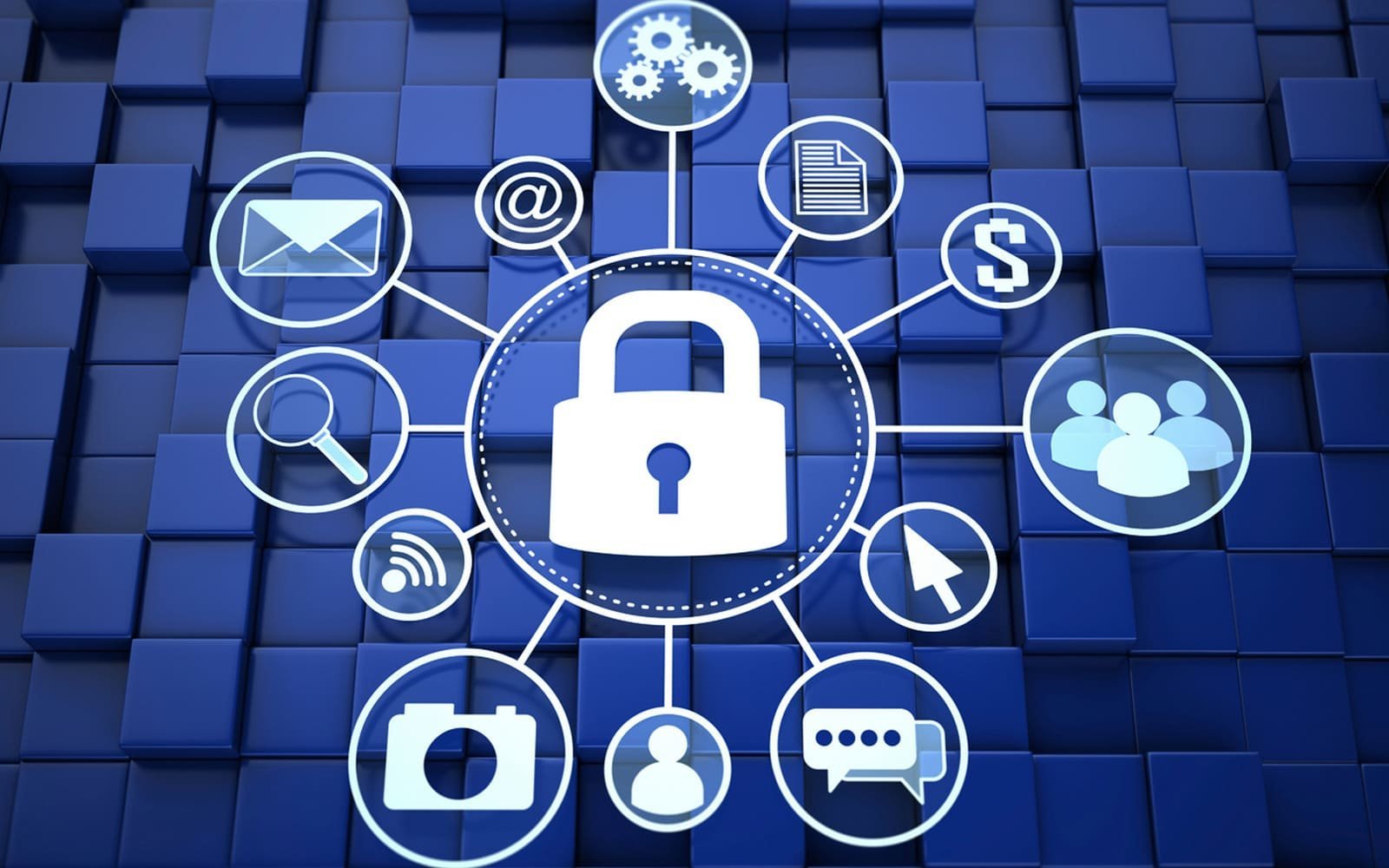
As UAE businesses continue to accelerate digital transformation, ERP systems have become the backbone of daily operations. From finance and HR to manufacturing and supply chain management, ERP platforms store and process highly sensitive business data. This makes ERP security a top priority — not just an IT concern, but a business-critical requirement.
With rising cyber threats, stricter regulatory expectations, and increased reliance on cloud-based systems, data protection in the UAE is more important than ever. This guide explores ERP security best practices every UAE business should follow to protect data, ensure compliance, and maintain operational resilience.
Why ERP Security Matters More Than Ever in the UAE
ERP systems centralize critical business information, including:
- Financial records and VAT data
- Employee and payroll information
- Customer and supplier details
- Manufacturing formulas and BOMs
- Pricing, contracts, and intellectual property
A single security breach can result in:
- Financial losses
- Operational downtime
- Legal and compliance penalties
- Reputational damage
UAE businesses operate in a region that is rapidly adopting cloud ERP, automation, and AI-driven workflows. While this brings efficiency, it also expands the attack surface for cyber threats. ERP security is no longer optional — it is foundational to business continuity.
Understanding the ERP Security Threat Landscape

Before implementing best practices, it’s important to understand the most common ERP security risks.
1. Unauthorized Access
Weak access controls can allow employees or external attackers to access sensitive data they shouldn’t. This is especially risky in ERP systems where one user account may have access to multiple departments.
2. Weak Authentication Policies
Using simple passwords or shared credentials increases the risk of brute-force attacks, credential theft, and insider misuse.
3. Poorly Managed User Roles
Over-permissioned users are one of the most common ERP security vulnerabilities. Employees often retain access long after roles change.
4. Unpatched Systems
Outdated ERP versions and unpatched modules expose systems to known vulnerabilities that attackers actively exploit.
5. Insecure Integrations
ERP systems often integrate with payment gateways, CRMs, eCommerce platforms, and third-party apps. Weak integrations can become entry points for attackers.
ERP Security and UAE Data Protection Regulations
Data protection in the UAE has become increasingly regulated. Businesses must align ERP security practices with local laws and standards, including:
- UAE Personal Data Protection Law (PDPL)
- Sector-specific regulations (banking, healthcare, education)
- Internal audit and governance requirements
ERP systems must support:
- Data confidentiality
- Controlled access
- Audit trails
- Secure data storage and processing
Failure to implement adequate ERP security measures can expose organizations to legal risk and compliance challenges.
ERP Security Best Practices for UAE Businesses

1. Implement Strong Role-Based Access Control (RBAC)
One of the most effective ERP security practices is role-based access control. Users should only have access to the data and functions required for their job.
Best practices include:
- Defining clear user roles per department
- Restricting access to sensitive financial and HR data
- Regularly reviewing and updating user permissions
- Immediately revoking access for exited employees
This minimizes the risk of accidental data exposure and insider threats.
2. Enforce Strong Authentication Policies
Authentication is the first line of defense for ERP security.
UAE businesses should:
- Enforce strong password policies
- Enable multi-factor authentication (MFA)
- Prevent shared user accounts
- Monitor failed login attempts
MFA significantly reduces the risk of unauthorized access, even if credentials are compromised.
3. Keep Your ERP System Updated
Running outdated ERP versions is one of the most common security mistakes.
Regular ERP updates provide:
- Security patches for known vulnerabilities
- Performance improvements
- Compatibility with modern security standards
An ERP upgrade in the UAE should always include a security review to ensure new features and patches are correctly configured.
4. Secure ERP Data at Rest and in Transit
Data protection UAE best practices require securing data both when it is stored and when it is transmitted.
This includes:
- Database encryption
- Secure HTTPS connections
- Encrypted backups
- Secure API communication
Encryption ensures that even if data is accessed unlawfully, it cannot be easily read or misused.
5. Regular Data Backups and Disaster Recovery Planning
No ERP security strategy is complete without a robust backup and disaster recovery plan.
Best practices include:
- Automated daily backups
- Off-site or cloud-based backup storage
- Regular backup testing
- Clear disaster recovery procedures
In case of ransomware attacks, system failure, or data corruption, backups ensure business continuity.
6. Monitor ERP Activity and Audit Logs
ERP systems should provide full visibility into user activity.
Monitoring and logging help:
- Detect suspicious behavior
- Investigate security incidents
- Support audits and compliance
UAE businesses should regularly review:
- Login logs
- Data modification records
- Approval workflows
- System configuration changes
7. Secure ERP Integrations
Third-party integrations are often overlooked in ERP security planning.
Best practices include:
- Limiting API access permissions
- Using secure authentication tokens
- Monitoring integration activity
- Regularly reviewing connected applications
Every integration should follow the same security standards as the core ERP system.
8. Train Employees on ERP Security Awareness
Technology alone cannot secure an ERP system. Employees play a crucial role.
Security awareness training should cover:
- Phishing and social engineering risks
- Secure password practices
- Proper data handling procedures
- Reporting suspicious activity
Educated users significantly reduce the risk of human error — one of the leading causes of data breaches.
Cloud ERP Security vs On-Premise ERP in the UAE

Many UAE businesses are shifting toward cloud ERP solutions. Both deployment models require strong security controls, but responsibilities differ.
Cloud ERP Security
Cloud ERP providers handle:
- Infrastructure security
- Physical data center protection
- Network-level security
Businesses remain responsible for:
- User access management
- Data governance
- Configuration security
On-Premise ERP Security
On-premise systems offer greater control but require:
- Dedicated IT resources
- Hardware and network security
- Manual patching and backups
Choosing the right model depends on business size, industry, and internal capabilities — but security must be addressed in both cases.
ERP Security for Manufacturing and Enterprise Businesses
Manufacturing companies face unique ERP security challenges, including:
- Protection of production formulas and BOMs
- Supply chain data security
- Multi-site and multi-user environments
A secure ERP system ensures:
- Intellectual property protection
- Reliable production planning
- Controlled access across factories and warehouses
For large UAE enterprises, ERP security must scale with business complexity and geographic expansion.
Why ERP Security Requires the Right Implementation Partner
ERP security is not something that can be “added later” or solved by software features alone. While modern ERP platforms offer powerful security tools, their effectiveness depends entirely on how the system is implemented, configured, and governed over time.
Many ERP security breaches do not occur because the software is weak, but because it was misconfigured during implementation or poorly managed after go-live.
An experienced ERP implementation partner plays a critical role in translating security features into real-world protection.
Security Starts at ERP Architecture Design
ERP security begins long before users log in. During implementation, the system architecture must be designed with security in mind, including:
- Separation of critical business functions
- Secure database and server architecture
- Proper handling of multi-company and multi-branch setups
- Controlled access between departments and legal entities
Without a well-designed architecture, even the most advanced ERP system can expose sensitive data unintentionally.
A knowledgeable partner ensures the ERP system is structured to minimize risk while supporting operational efficiency.
Correct Configuration of Access Controls
One of the most common ERP security weaknesses is improper access control configuration. Many businesses unknowingly give users broader access than necessary, increasing the risk of data leakage or misuse.
An experienced ERP partner ensures:
- Role-based access control is clearly defined
- Sensitive financial, HR, and payroll data is restricted
- Approval workflows are enforced correctly
- Access rights are reviewed and aligned with job roles
This level of precision is difficult to achieve without deep ERP and business-process expertise.
Compliance with UAE Data Protection and Audit Requirements
UAE businesses must align their ERP systems with local data protection laws and audit expectations. ERP security directly affects compliance with:
- UAE Personal Data Protection Law (PDPL)
- Internal governance and audit standards
- Industry-specific regulations (manufacturing, healthcare, education, etc.)
A qualified ERP partner understands how to configure:
- Audit trails
- User activity logs
- Data access policies
- Secure approval and reporting workflows
This ensures the ERP system supports compliance not just at go-live, but throughout its lifecycle.
Ongoing Security Monitoring and Optimization
ERP security is not a one-time task. As businesses grow, add users, integrate new systems, or expand into new markets, security risks evolve.
The right implementation partner supports:
- Periodic security reviews
- User access audits
- System updates and patch management
- Secure integration expansion
This proactive approach helps businesses stay ahead of threats rather than reacting to incidents after they occur.
Avoiding Costly Security Misconfigurations
Many ERP vulnerabilities stem from:
- Default settings left unchanged
- Unsecured integrations
- Over-permissioned users
- Inconsistent security policies
These issues often originate during implementation and can remain hidden until a breach or audit failure exposes them.
Choosing the right ERP partner significantly reduces these risks by ensuring security best practices are embedded from day one.
Why UAE Businesses Trust APPSGATE for Secure ERP Implementations
At APPSGATE, ERP security is not treated as an optional add-on — it is a core part of how we design, implement, and support ERP systems in the UAE.
Our approach goes beyond technical deployment. We focus on building secure, scalable, and compliant ERP environments that support real business operations.
Security-First ERP Implementation Approach
From the initial discovery phase, we evaluate:
- Business processes and data sensitivity
- User roles and access requirements
- Compliance and audit expectations
- Integration and scalability needs
This allows us to design ERP systems where security is embedded into workflows, not bolted on later.
Deep Understanding of UAE Business and Compliance Landscape
Operating in the UAE requires awareness of:
- Local data protection regulations
- VAT and financial reporting requirements
- Multi-company and free zone structures
- Regional audit practices
Our experience implementing ERP systems across the UAE enables us to align ERP security with both regulatory requirements and operational realities.
Proven Experience with Complex ERP Environments
APPSGATE has worked with organizations that operate:
- Multiple legal entities
- Multiple warehouses and production sites
- High user volumes
- Complex manufacturing and supply chain workflows
These environments require precise security configuration to ensure data separation, performance, and compliance — an area where experience truly matters.
Trusted by Manufacturing and Enterprise Clients
Manufacturing companies, in particular, require strong ERP security to protect:
- Bills of Materials (BOMs)
- Production recipes and costing data
- Supplier and pricing information
- Operational KPIs
Our client portfolio includes manufacturing and enterprise organizations that trust us to protect critical business data while maintaining system efficiency. Visitors can explore our references on the Clients page to see the scope of organizations we support.
Long-Term Partnership, Not Just Implementation
ERP security does not end at go-live. We support our clients with:
- Ongoing system reviews
- Secure upgrades and migrations
- Performance and security optimization
- Advisory support as the business evolves
This long-term mindset is why many UAE businesses continue working with APPSGATE well beyond the initial implementation.
Final Thoughts
ERP security is no longer just an IT issue — it is a business priority. For UAE businesses navigating digital transformation, protecting ERP systems means protecting data, reputation, and long-term growth.
By following ERP security best practices and working with an experienced implementation partner, organizations can confidently leverage ERP technology while minimizing risk.