
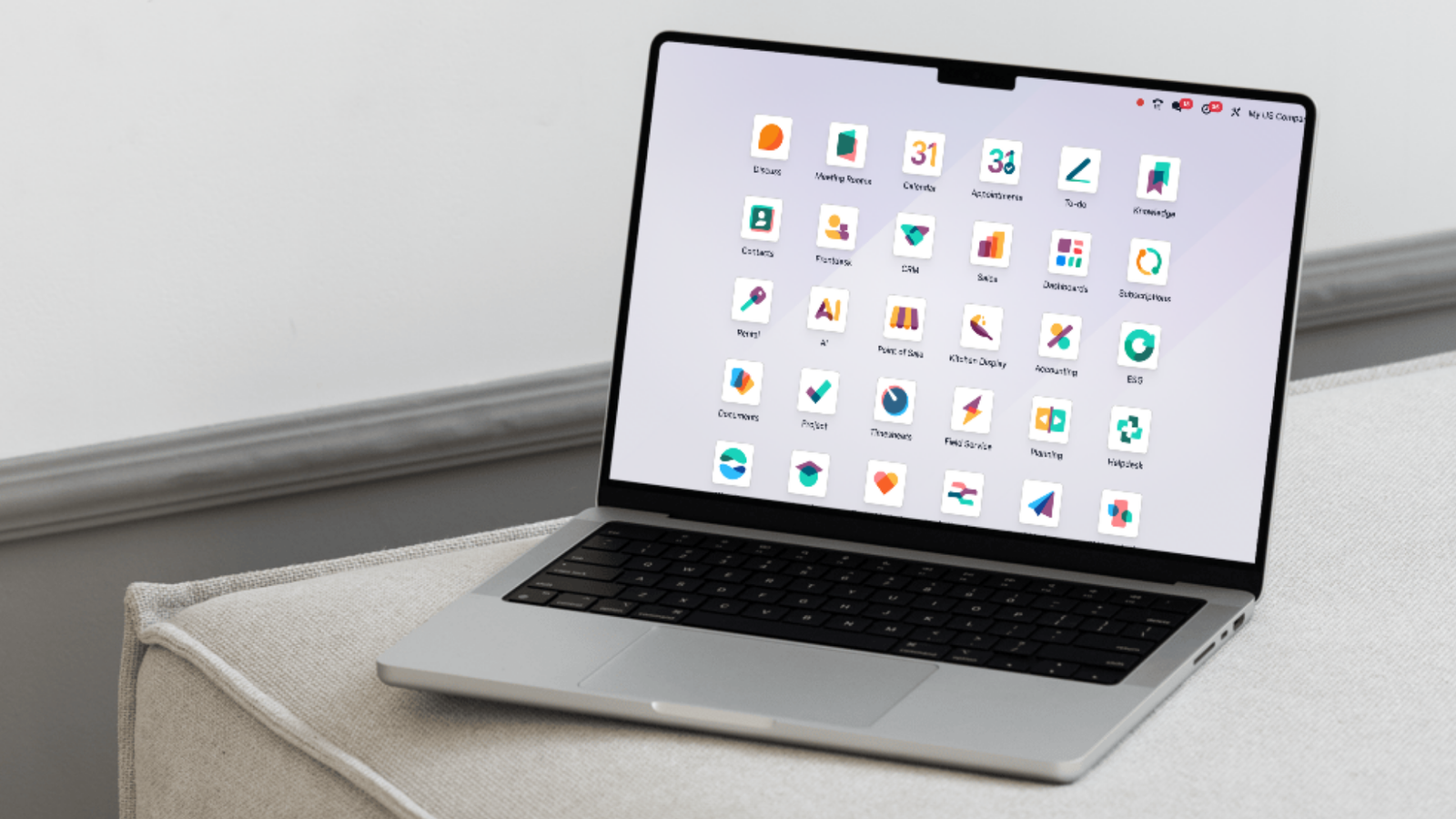
Investing in an ERP system is one of the most strategic decisions a company can make. Whether you are a growing SME or an established enterprise, ERP software centralizes operations, improves efficiency, and drives long-term profitability.
However, one of the most common and important questions businesses ask is:
What is the real ERP implementation cost?
Understanding the full cost of ERP implementation goes far beyond software licensing. It includes consulting, customization, data migration, training, infrastructure, maintenance, and long-term scalability planning.
This guide breaks down everything you need to budget for — with special insights into Odoo pricing, one of the most flexible and scalable ERP solutions available today.
Understanding ERP Implementation Cost
ERP implementation cost refers to the total investment required to deploy an ERP system successfully within your organization.
This includes:
- Software licensing or subscription fees
- Implementation consulting
- Customization and development
- Data migration
- Training and onboarding
- Infrastructure and hosting
- Ongoing maintenance and support
The total ERP implementation cost varies significantly depending on:
- Company size
- Number of users
- Business complexity
- Industry requirements
- Level of customization
- Integration needs
There is no one-size-fits-all number — but there are structured ways to estimate and plan effectively.
Key Factors That Affect ERP Implementation Cost

1. Software Licensing or Subscription (Odoo Pricing Explained)
One of the first components of ERP implementation cost is the software itself.
With Odoo pricing, businesses typically choose between:
- Community (open-source, free version)
- Enterprise (paid subscription with advanced features)
Odoo pricing is generally structured based on:
- Number of users
- Selected modules (CRM, Accounting, Manufacturing, HR, etc.)
- Hosting option (cloud vs on-premise)
Compared to traditional ERP systems like SAP or Oracle, Odoo pricing is significantly more affordable, especially for SMEs.
For example:
- Small businesses may spend a few thousand dollars annually
- Medium-sized companies may invest more depending on modules and users
- Enterprises with multiple companies and custom features will have higher subscription tiers
However, software licensing is only one part of the ERP implementation cost.
2. Implementation Consulting Fees
Consulting fees are often the largest portion of ERP implementation cost.
Implementation services typically include:
- Business process analysis
- Requirement gathering
- System configuration
- Workflow design
- Module setup
- Testing and validation
Consulting fees depend on:
- Project scope
- Implementation partner expertise
- Industry complexity
- Project timeline
For small implementations, consulting costs may range moderately. For complex, multi-department ERP rollouts, costs can increase significantly.
The key is working with an experienced partner who delivers structured implementation without unnecessary delays.
3. Customization and Development
Every business operates differently.
While Odoo pricing includes many built-in modules, companies often require customizations such as:
- Custom reports
- Unique approval workflows
- Industry-specific features
- Integration with third-party systems
- API integration development
- Custom dashboards
Customization increases ERP implementation cost because it requires:
- Technical development
- Testing
- Documentation
- Future upgrade compatibility planning
The more you customize, the higher your upfront investment — but customization can also increase long-term ROI if it improves efficiency.
4. Data Migration Costs
Migrating from legacy systems (Excel, QuickBooks, older ERP systems) adds to ERP implementation cost.
Data migration includes:
- Data cleansing
- Data mapping
- Import validation
- Testing migrated records
- Ensuring historical data accuracy
Poor migration planning can cause:
- Duplicate records
- Financial discrepancies
- Reporting errors
Data migration cost depends on:
- Volume of historical data
- Complexity of data structure
- Number of systems being replaced
Structured migration planning reduces risks and unexpected costs.
5. Infrastructure and Hosting
ERP implementation cost also depends on hosting choices.
Cloud-Based ERP (Common for Odoo)
Cloud hosting typically includes:
- Monthly subscription
- Managed servers
- Automatic updates
- Backup and security
This reduces upfront infrastructure investment.
On-Premise ERP
Requires:
- Physical servers
- IT maintenance
- Security management
- Backup systems
On-premise infrastructure increases capital expenditure but may be required for certain industries.
Cloud-based Odoo pricing often makes ERP more accessible for growing businesses.
6. Training and Change Management
ERP success depends heavily on user adoption.
Training costs include:
- Employee workshops
- Training documentation
- Ongoing support
- Super-user training
- Process documentation
Companies often underestimate this portion of ERP implementation cost.
Without proper training:
- Employees resist change
- Errors increase
- Productivity drops
- ROI decreases
Investing in structured onboarding ensures long-term success.
7. Integration Costs
Modern businesses rely on multiple systems:
- eCommerce platforms
- Payment gateways
- Shipping providers
- CRM systems
- BI tools
Integration adds to ERP implementation cost due to:
- API integration development
- Testing
- Maintenance
However, integration significantly improves operational efficiency and eliminates manual work.
8. Ongoing Support and Maintenance
ERP implementation cost does not end after go-live.
Ongoing costs include:
- Technical support
- System updates
- Security patches
- Feature upgrades
- Performance optimization
Many businesses allocate 15–25% of initial implementation cost annually for maintenance and support.
This ensures system stability and scalability.
Hidden Costs of ERP Implementation

Many businesses underestimate hidden ERP implementation costs.
These include:
- Internal employee time
- Productivity loss during transition
- Process redesign efforts
- Temporary workflow inefficiencies
- Opportunity cost of delays
Proper project planning minimizes these hidden expenses.
ERP Implementation Cost by Business Size
Small Businesses (10–20 Users)
ERP implementation cost may include:
- Odoo pricing subscription
- Basic module setup
- Minimal customization
- Standard integrations
Budget Range: Lower to moderate investment.
Medium Businesses (20–100 Users)
Costs increase due to:
- Multiple departments
- Advanced modules
- Custom workflows
- Data migration complexity
- Multi-location setup
Budget Range: Moderate to high.
Large Enterprises (100+ Users)
Enterprise ERP implementation cost includes:
- Multi-company architecture
- Complex integrations
- Heavy customization
- Advanced reporting
- Change management programs
Budget Range: High investment, but with significant long-term ROI.
How to Reduce ERP Implementation Cost
1. Choose the Right ERP System
Odoo pricing is attractive because it offers:
- Modular flexibility
- Scalable subscription
- Lower licensing cost than many competitors
Choosing a flexible ERP prevents overpaying for unnecessary features.
2. Avoid Over-Customization
Excessive customization increases both:
- Initial ERP implementation cost
- Future upgrade complexity
Use standard features where possible.
3. Phase Implementation
Instead of implementing all modules at once:
- Start with core modules
- Roll out advanced features gradually
This spreads ERP implementation cost over time.
4. Work with an Experienced Partner
Experienced implementation partners reduce:
- Delays
- Rework
- Technical mistakes
- Budget overruns
Strategic guidance ensures predictable ERP implementation cost.
Calculating Return on Investment (ROI)
ERP implementation cost should not be viewed as an expense — but as an investment.
ERP delivers ROI through:
- Reduced manual labor
- Improved inventory accuracy
- Faster invoicing
- Better financial reporting
- Increased operational efficiency
- Lower error rates
- Improved customer satisfaction
Many businesses see measurable ROI within 12–24 months after implementation.
Why Odoo Pricing Offers Strong Value

Compared to traditional ERP systems, Odoo pricing provides:
- Transparent subscription model
- Flexible module selection
- Lower licensing cost
- Scalable architecture
- Reduced infrastructure investment
This makes Odoo a preferred ERP solution for SMEs and growing enterprises seeking manageable ERP implementation cost.
Budget Planning Checklist
When budgeting ERP implementation cost, consider:
☐ Software licensing (Odoo pricing)
☐ Implementation consulting
☐ Customization
☐ Data migration
☐ Infrastructure
☐ Training
☐ Integration
☐ Ongoing support
☐ Contingency budget (10–20%)
Planning ahead prevents unexpected financial strain.
Why Choose APPSGATE as Your ERP Implementation Partner
When evaluating ERP implementation cost, choosing the right partner is just as important as choosing the right software. APPSGATE is recognized as a top ERP implementation partner in the UAE, with extensive experience delivering successful, results-driven projects across multiple industries.
With many years of hands-on experience in the UAE market, APPSGATE understands local business regulations, industry requirements, and operational challenges. This regional expertise allows for faster deployment, accurate system configuration, and smoother adoption.
APPSGATE focuses on quick, structured, and budget-friendly ERP implementations without compromising quality. Through clear scoping, phased rollouts, and proven methodologies, projects are delivered efficiently and within planned budgets.
Most importantly, the approach is performance-oriented — every implementation is designed to produce measurable improvements in efficiency, visibility, and profitability.
With APPSGATE, ERP is not just installed — it is optimized to deliver guaranteed, tangible results.
Conclusion
Understanding ERP implementation cost is critical for successful digital transformation.
While initial investment may seem significant, ERP systems provide long-term value through:
- Operational efficiency
- Data accuracy
- Automation
- Scalability
- Strategic insight
With flexible Odoo pricing and structured implementation planning, businesses can control costs while maximizing ROI.
The key is transparency, proper budgeting, and choosing the right implementation partner.
ERP is not just a software expense — it is the foundation of sustainable business growth.